High Heels Types & Fit for UK Shoppers Guide 2026
Breadcrumb
How should UK shoppers start choosing high heels with confidence?
High heels can look simple at a glance, but choosing the right pair involves more than heel height or trend appeal. For UK shoppers, the smartest approach is to look at heel type, fit, comfort, and occasion together. A pair that works beautifully for an evening event may feel wrong for a commute, while a style that seems practical on the shelf may not suit your foot shape once you start walking.
The easiest way to shop with confidence is to follow a clear decision path. Start with where you plan to wear the shoes most often. Then compare heel height, front shape, foot support, and how much stability you need. This matters whether you are buying your first pair, replacing a worn-out classic, or narrowing down black heels for work, weddings, or nights out.
This guide brings the full picture together. You will see how the main high-heel types differ, what “high” really means in practical terms, how to judge fit without overcomplicating it, and which black heel styles tend to work best for different wardrobes and occasions. Along the way, you can go deeper into topics such as black high heels for different occasions in the UK (work, evening, weddings) and what styles work best, while more focused comparisons on block heels and height bands are also worth watching if stability or experience level is your main concern.
The goal is not just to find a flattering pair. It is to find one you will actually wear.
What are the main high heel types, and how do they feel on foot?
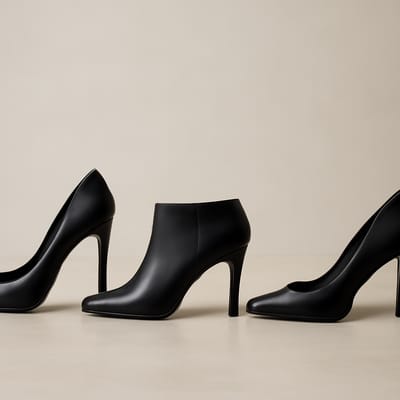
Not all high heels wear the same, even when they look similar online. Stilettos have a slim heel and create a sharp, dressy silhouette. They are often chosen for evenings, formal settings, and outfits where elegance matters more than all-day wear. A broader heel, such as a block style, usually spreads weight more evenly and can feel easier to walk in, which is why many people comparing wearability start there.
Then there is the upper shape. Pumps offer more coverage and tend to look polished and structured. Heeled sandals feel lighter and more open, which can be useful for warmer months or occasion dressing. If you are deciding between those two categories, black high heel pumps vs black heeled sandals: differences, styling, and stability breaks down how coverage, styling, and control change the wearing experience.
Toe shape also matters more than many shoppers expect. A pointed front can look sleek but may feel restrictive on longer wear. Rounded, almond, peep-toe, and open shapes all change how pressure is distributed across the foot. That is especially important for first-time heel buyers who may think heel height is the only comfort factor. In reality, the front of the shoe often decides whether a pair feels manageable after an hour.
At a practical level, most shoppers do well when they compare styles through three questions:
- How much support does the shoe give your foot?
- How formal do you need the finished look to be?
- How long will you realistically be wearing it?
Those answers usually narrow the field faster than trend labels alone.
How does heel height affect comfort, posture, and stability?
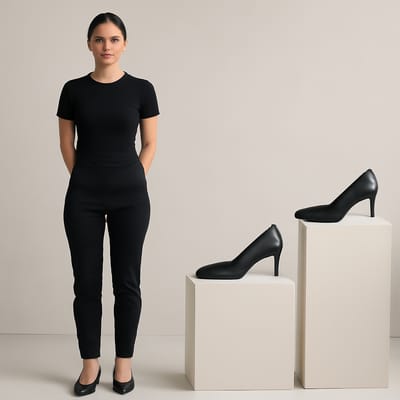
Heel height changes everything from posture to pressure points. In general, a low heel feels easier to manage for regular wear, a mid heel often balances style with comfort, and a high heel creates the strongest dressy effect but usually demands better fit and more walking confidence. The higher you go, the more weight tends to shift forward, which can increase pressure through the ball of the foot.
That does not mean high heels are automatically uncomfortable. A well-balanced pair with the right pitch can feel steadier than a poorly shaped mid heel. What matters is how the shoe supports your natural stride. Shoppers who feel unstable usually notice one of three problems: the foot slides forward, the heel wobbles under weight, or the upper does not hold the foot securely enough.
For people comparing heel types for stability and wearability, it helps to judge a shoe in motion. Stand, walk, turn, and stop. If you feel secure only while standing still, the fit is probably not right for real-life wear. First-time buyers should be especially careful with very slim heels until they know what heel height feels manageable for them.
A useful comfort framework is:
- Low to mid heights for longer wear or less heel experience
- Higher heels for shorter events or more practiced wearers
- Secure uppers and balanced heel placement for confidence
- Realistic use over aspirational styling
A fuller height-by-experience guide is a useful next step for shoppers deciding between low, mid, and high black heels, particularly if confidence is still building.
What fit basics matter most when buying high heels in the UK?
Good fit is what turns a beautiful pair into a wearable one. With high heel fit, start by checking length, width, toe room, and how firmly the shoe holds your foot. Your heel should not slip out as you walk, your toes should not feel crushed, and the sides should not pinch so tightly that the shoe leaves pressure marks within minutes.
UK shoppers often run into problems when they focus only on size and ignore shape. Two shoes in the same size can feel completely different depending on the toe box, vamp height, strap placement, and internal slope. That is why fit confidence comes from testing how the shoe behaves, not just how it looks while standing in front of a mirror.
A quick fit checklist helps:
- Heel hold: no lifting or popping out as you walk
- Toe comfort: enough room without sliding forward
- Arch alignment: your foot should sit naturally, not fight the shoe
- Side support: secure, but not digging in
- Walking feel: balanced on carpet and hard flooring if possible
Front shape deserves special attention because it changes comfort almost immediately. Closed-toe, peep-toe, and more open silhouettes all put pressure in different places. If you are struggling with that choice, how to choose the right black high heels by toe shape (peep-toe, closed-toe) and comfort needs offers a more detailed way to match foot comfort with style preferences.
For everyday buyers, fit should beat drama. For event buyers, it should still beat drama unless the event is very short.
Which black high heel styles work best for everyday wear and occasions?
Black high heels stay popular because they cover the widest range of outfits and occasions. A sleek black pump can move from office wear to dinner, while a black heeled sandal often feels perfect for weddings, parties, and dressier evenings. That versatility is why black heels are often the first category shoppers compare when they want one pair that earns its place in the wardrobe.
For everyday-style use, the best option is usually the one that combines polish with repeat wear. That might mean a closed-toe pump, a more stable heel shape, or a slightly lower height that works across commutes and longer days. For occasion dressing, shoppers can often prioritise lighter styling, more dramatic lines, or open shapes that pair better with eventwear.
A simple wardrobe guide looks like this:
- Work and smart daytime: black pumps, cleaner lines, moderate height
- Evening and parties: black stilettos or heeled sandals, depending on outfit structure
- Weddings and special events: sandals for warmer months, pumps for formal or cooler settings
- Versatile first purchase: black pumps usually cover the most situations
If you are building an outfit around specific events, black high heels for different occasions in the UK (work, evening, weddings) and what styles work best gives a more detailed occasion-by-occasion breakdown. Shoppers who care more about stability may also want to compare stiletto and block-heel wearability, since heel shape can matter as much as colour or silhouette.
The best style is rarely the boldest one. It is the pair that still feels right after a few hours.
How can you build a buy-ready shortlist without overbuying?
A buy-ready shortlist keeps you focused and stops every black heel option from looking equally tempting. Start by defining your main use case. Is this pair for work, events, or mixed wear? Then narrow your shortlist by three filters: heel height, shoe type, and stability needs. This approach works well for both first-time buyers and experienced shoppers replacing older pairs.
You can usually shortlist more effectively with a simple framework:
1. Choose your core use
Daily wear, occasion dressing, or one versatile all-rounder.
2. Set a comfort floor
Decide what you will not compromise on, such as a secure fit, manageable height, or a front shape that does not squeeze.
3. Compare only similar options
A mid-heel pump and a high heeled sandal serve different purposes. Compare within the same category first.
4. Test outfit range
Ask whether the pair works with at least three outfits you already own.
5. Buy for real life
Weather, venue surfaces, commuting, and standing time all matter in the UK.
If you are still uncertain, it often helps to start with one dependable black style and add a second later for specific occasions. A style chooser or decision guide can make that process quicker, especially if you want to sort options by comfort, occasion, or heel height before browsing product grids. A short styling quiz can also help clarify whether you lean classic, occasion-focused, or comfort-first.
Confidence usually comes from fewer better choices, not more options on the screen.
Frequently asked questions about high heels types and fit
What is the best high heel type for first-time buyers?
First-time buyers usually do best with a manageable heel height, secure fit, and a style that feels stable while walking. A lower or mid heel with a supportive upper is often easier to handle than a very high, slim heel.
Are stilettos always less comfortable than other high heels?
Not always, but they are usually less forgiving if the fit is wrong. A well-made stiletto with balanced heel placement can feel better than an unstable shoe with a broader heel, though stilettos often require more walking confidence.
Should I choose pumps or heeled sandals for a wedding or party?
Choose based on season, venue, and outfit. Heeled sandals often suit spring and summer events, while pumps can feel more formal and practical for cooler weather or structured dress codes.
How do I know if high heels fit properly?
Your heel should stay in place, your toes should have enough room, and the shoe should feel balanced when you walk, turn, and stop. If you are sliding forward or gripping with your toes, the fit is probably wrong.
Are black high heels the most versatile option for UK shoppers?
For many wardrobes, yes. Black high heels tend to work across workwear, evening looks, and special events, which makes them a strong first purchase if you want maximum outfit range.
What heel height is best if I want comfort and style together?
A mid heel is often the easiest balance between polish and wearability. It usually gives enough lift for a dressy look while staying more manageable for longer wear than a very high heel.
What should event shoppers prioritise when choosing black heels?
Event shoppers should focus on venue, time on feet, and outfit balance. A pair that looks elegant but feels unstable on grass, paving, or dance floors can quickly become the wrong choice.
Is toe shape really as important as heel height?
Yes, often more than people expect. Toe shape changes pressure across the front of the foot, so it can strongly affect comfort, stability, and whether you can wear the shoes for more than a short event.