Breadcrumb
Latest Articles

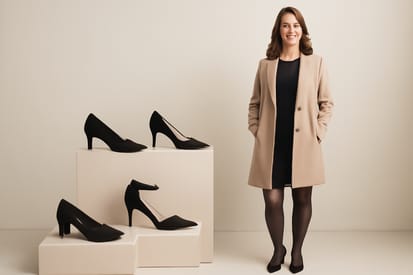
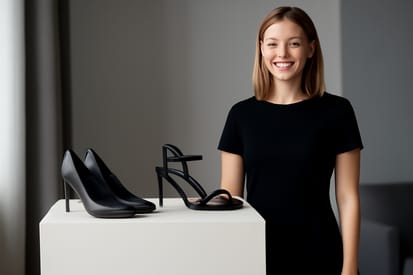
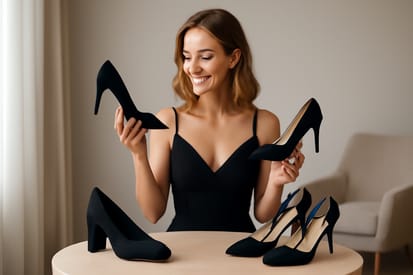
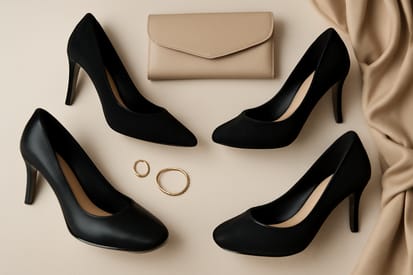
What should you know before buying high heel shoes?
High heel shoes can completely change the look of an outfit, but the best pair is not always the one with the highest heel or sharpest silhouette. For UK shoppers, choosing well means balancing style with fit, comfort, stability, and occasion. A shoe that works beautifully for an evening dinner may not suit commuting, wedding venues, or a full workday.
That is why high heels are easier to shop when you break the decision into a few key parts:
- Heel type such as stiletto, block, court, or sandal
- Heel height and whether it matches your experience level
- Fit and support through the toe box, heel hold, and underfoot feel
- Occasion use including work, evenings, parties, and formal events
For first-time high-heel buyers, a stable heel and realistic height usually matter more than trend details. For shoppers who already wear heels often, the bigger question may be how to choose the right silhouette for a particular outfit or event. People comparing heel types for stability often notice that a modest change in heel base can make a dramatic difference to confidence when walking.
This cornerstone guide gives you the broad overview first, so you can understand the category before moving into more focused comparisons. It is designed to help you shop smarter, avoid uncomfortable choices, and build a wardrobe of heels that look polished and feel wearable.
How do the main types of high heels differ?
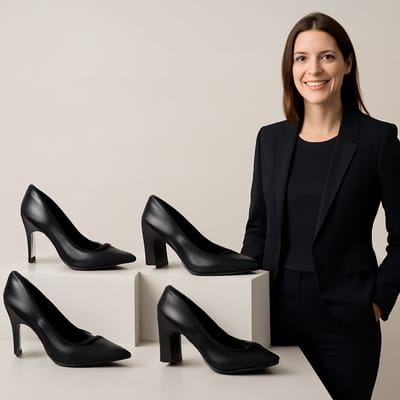
The world of high heels includes several core shapes, each with its own strengths. Understanding those differences is the fastest way to narrow your options and avoid buying a style that looks right but feels wrong in practice.
The main high heel types
- Stiletto heels: slim, elegant, and dressy, often chosen for evenings and formal looks
- Block heels: wider-based and usually easier to balance in
- Court shoes or pumps: classic closed styles that work well for smart dressing
- Heeled sandals: lighter and more open, often favoured for dressier social occasions
- Slingbacks: structured enough to look polished, but slightly lighter in feel than full courts
- Platforms: extra height with more sole depth under the forefoot
These shapes are not interchangeable. A stiletto gives a sharper finish but often asks more from your balance. A block heel can feel steadier and more forgiving, especially on mixed surfaces. Court shoes usually offer the widest crossover between work and occasion wear, while sandals often feel more relaxed or evening-focused.
If you want a wider overview of the category and how these styles fit together, types of High gives you a broader map of heel structures, fit factors, and occasion use. That bigger picture is useful if you are still deciding where to start rather than comparing one narrow style choice.
Why do heel height and fit matter so much?
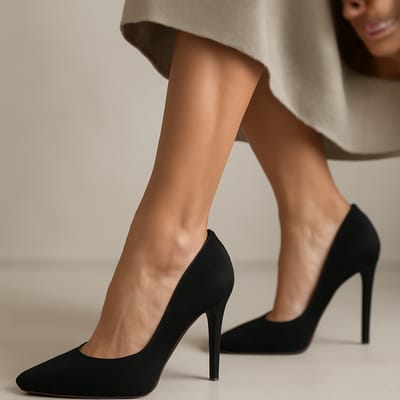
A high heel that fits badly will never become a favourite, no matter how good it looks. Heel height changes posture, pressure distribution, and walking confidence, while fit affects whether the shoe feels secure or exhausting after only a short time.
Three things usually shape comfort most:
1. Heel height
Lower and mid heels are often easier for longer wear. Higher heels create more visual impact, but they also increase pressure on the forefoot and demand better balance.
2. Toe shape
Pointed toes can look elegant, though they may feel narrower. Almond or rounder shapes usually provide more room, which can help if you are on your feet for longer stretches.
3. Heel structure
A wider heel base often feels more stable than a slim one, even when the height is similar. That is why many shoppers find block heels easier than stilettos at the same approximate height.
For first-time high-heel buyers, this is often the difference between a successful first purchase and a pair that stays in the box. Event shoppers need to factor in hours of wear, venue surfaces, and movement. More experienced wearers may accept a steeper heel for a shorter outing, but even then, fit and stability still set the limit.
The goal is not to find the most dramatic heel. It is to find the one that supports your plans and still feels good after real use.
Which high heel shoes work best for different occasions?
Occasion is one of the most useful filters when choosing high heel shoes. The right pair for work is rarely identical to the right pair for a wedding guest outfit or late evening plans, even if all three are black heels.
For work, shoppers usually do best with closed-toe courts, polished pumps, or lower to mid block heels. These styles tend to look refined and handle longer wear more comfortably. Evening shoes can be slimmer, strappier, and slightly more dramatic because visual impact matters more and wear time is often shorter. Weddings and formal events sit between the two: you still want polish, but you may also need stability for standing, walking, and dancing.
That is why occasion-focused comparisons are so useful. A city dinner, office party, countryside wedding, and hotel reception all place different demands on heel shape, grip, and height. Many shoppers eventually build a small rotation rather than expecting one pair to solve every styling problem.
There is also growing demand for more detailed guidance around black high heels for work, evening dressing, and weddings, as well as closer comparisons around toe shape, sandals versus pumps, block heels versus stilettos, and how low, mid, or high heels suit different experience levels. Those narrower topics help turn broad inspiration into better buying decisions.
How can you choose high heels with more confidence?
Confidence usually comes from a clearer process, not more options. If you are staring at dozens of styles, narrow the choice by using a simple framework based on use, comfort, and repeat wear potential.
A practical selection framework
- Start with where you will wear them most
- Choose a realistic heel height for your experience level
- Pick the main structure: court, sandal, stiletto, or block heel
- Check fit details including heel hold, toe room, and sole grip
- Ask whether you would wear them more than once
This works for different kinds of shoppers. Someone buying their first heels may need a forgiving shape that builds confidence. Someone shopping for events may be happy to trade some comfort for elegance, but still needs enough support to enjoy the occasion. Someone comparing heel types for wearability may focus mainly on balance, walking confidence, and how the shoe handles real surfaces.
If you are shopping with value in mind, versatility matters. A pair that works across several outfits and occasions often earns its place faster than one very dramatic pair that only suits a single look. The smartest buys usually sit where style, comfort, and practicality overlap.
Where should you start if you want the full category overview?
If you want the broadest useful next step, start with the category view and then narrow into the details that match your needs. That gives you a better foundation than jumping straight into a single trend or silhouette.
The most practical route is to understand the main heel families first, then compare black heels, occasion wear, heel height, and fit questions in more detail. As your shortlist becomes clearer, finer points such as toe shape, support, and the difference between pumps and sandals become much easier to assess.
A strong place to continue is types of High, which brings together the key heel categories, fit factors, comfort priorities, and style directions in one place. From there, you can move into more specific topics such as black heels for different occasions, toe-shape choices for comfort, pumps versus sandals, stiletto versus block wearability, and how to choose the right heel height for your experience level.
The best high heel wardrobe is rarely built by chance. It usually comes from understanding the category first, then making smaller decisions with a clear sense of what will actually suit your foot, your outfits, and your plans.
Frequently asked questions about high heel shoes
What are the main types of high heel shoes?
The main types include stilettos, block heels, court shoes, heeled sandals, slingbacks, and platforms. Each offers a different mix of style, support, and occasion suitability.
Which high heel shoes are best for beginners?
Mid-height block heels and structured court shoes are usually the most approachable options. They offer better balance and often feel easier to walk in than very narrow or very high heels.
Are black high heels the most versatile choice?
Yes, black high heels are usually the easiest to style across work, evening, and formal events. A simple black court or refined block heel often gives the best range of use.
How do I choose the right heel height?
Start with your experience level, then think about how long you will wear the shoes and what surfaces you will walk on. Lower and mid heels tend to suit longer wear better, while higher heels often work best for shorter, dressier occasions.
What is better for stability: block heels or stilettos?
Block heels are usually more stable because they have a wider base. Shoppers comparing heel types for wearability often find them easier for walking, standing, and uneven ground.
What should I look for in heels for weddings or parties?
Look for a secure fit, sensible heel height, and enough support for the amount of time you will be standing or dancing. Occasion shoppers should also consider venue surfaces and whether the style suits the outfit without sacrificing comfort.
Do pointed-toe heels always feel narrower?
Often, yes. Pointed toes can create a more refined look, but they may reduce toe room compared with almond or rounder shapes, especially during long wear.
How can I tell if high heels fit properly?
Your heel should stay secure, your toes should not feel cramped, and the shoe should feel balanced when you walk. If pressure builds quickly or the shoe slips at the back, the fit is likely not right for comfortable wear.